Few landmarks symbolize Key West quite like the colorful Southernmost Point Buoy. Standing just 90 miles from Cuba, this instantly recognizable monument has become one of the most photographed attractions in Florida, drawing hundreds of thousands of visitors every year.
Whether you're visiting for the first time or returning to snap another unforgettable photo, the Southernmost Point offers far more than just a picture opportunity. Behind the painted concrete buoy is a fascinating story of island history, maritime heritage, engineering, and preservation.
In this guide, we'll explore the history of the Southernmost Point Buoy, share fun facts many visitors don't know, explain why the buoy is temporarily relocating, and help you plan the perfect visit.
What Is the Southernmost Point Buoy?
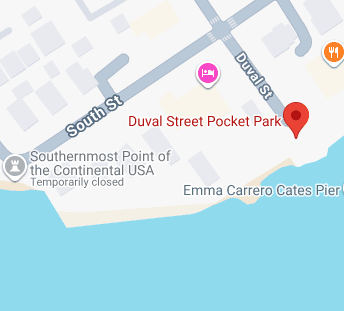
Located at the intersection of South Street and Whitehead Street, the Southernmost Point Buoy marks the southernmost point of the continental United States that's accessible to the public.
Painted in bright red, black, and yellow stripes, the buoy proudly displays:
- Southernmost Point Continental U.S.A.
- 90 Miles to Cuba
- Key West, Florida
While the actual southernmost point of the contiguous United States lies within nearby Naval Air Station Key West, the buoy has become the public symbol of that distinction for visitors from around the world.
Today, it's one of the most recognizable landmarks in Florida, but also one of the most photographed in the country and a must-see stop for nearly every traveler exploring Key West.
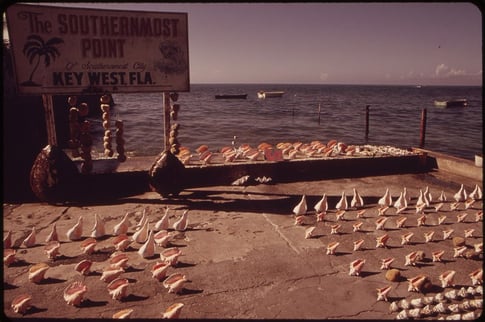 Photo Credit: Flip Schulke, Public domain, via Wikimedia Commons
The History Behind the Famous Buoy
Long before the colorful buoy appeared, visitors posed beside a simple sign marking the location.
Unfortunately, that original marker became a favorite souvenir for tourists and was repeatedly stolen. To solve the problem, the City of Key West installed a massive reinforced concrete buoy in 1983.
Its size and weight made it impossible to steal, while its bright tropical colors quickly turned it into one of the island's defining landmarks.
Over the decades, the buoy has become much more than a geographic marker. It represents Key West's laid-back spirit, maritime culture, and unique position as the southern gateway to the continental United States.
Today, countless vacation photos, postcards, travel guides, and social media posts feature the famous buoy as an iconic symbol of Key West.
Is the Southernmost Point Really 90 Miles from Cuba?
One of the most common questions visitors ask is whether the buoy's famous "90 Miles to Cuba" statement is accurate.
The answer is yes—with a little context.
The distance refers to the closest point between Key West and Cuba across the Florida Straits. While exact measurements vary slightly depending on the locations used, approximately 90 miles is widely accepted and has become part of the landmark's enduring identity.
On exceptionally clear days, however, Cuba cannot actually be seen from Key West.
Why Is the Southernmost Point Buoy Moving?
Beginning in 2025, the historic seawall surrounding the Southernmost Point entered a major restoration project designed to protect one of Key West's most important waterfront landmarks.
To allow crews to safely complete the work, the famous buoy is being temporarily relocated only a short distance from its longtime location.
The move allows visitors to continue taking photos while preserving the original site for generations to come.
Once restoration is complete, the buoy is expected to return to its permanent home overlooking the Atlantic Ocean.
Before your visit, it's always a good idea to check current conditions and city announcements for the latest information on access and the buoy's temporary location.


Photo Credit: Courtesy of the City of Key West
Fun Facts About the Southernmost Point
It wasn't always a buoy.
Before 1983, visitors photographed a much smaller sign that frequently disappeared thanks to souvenir hunters.
It weighs several tons.
The reinforced concrete structure was specifically designed to prevent theft and withstand coastal weather.
It has survived hurricanes.
Over the decades, the buoy has endured numerous tropical storms and hurricanes, becoming a symbol of Key West's resilience.
Thousands of visitors stop every day.
During peak tourist season, lines can stretch down the block as visitors wait for their turn to take the perfect photo.
It's one of Florida's most photographed landmarks.
Alongside destinations like the Seven Mile Bridge and Mallory Square, the Southernmost Point consistently ranks among the state's most photographed attractions.
Best Time to Visit
Because the buoy is so popular, timing can make a big difference.
For the shortest wait and best lighting, consider visiting:
- Early morning, shortly after sunrise
- Late afternoon before sunset crowds arrive
- Weekdays outside major holidays
Midday often brings the longest lines, especially during winter and spring when tourism is at its busiest.
Tips for Taking the Perfect Photo
A little planning can help you capture the perfect souvenir.
- Visit early in the day for fewer crowds.
- Bring sunglasses and sunscreen.
- Be patient—everyone gets their turn.
- Take both wide-angle and close-up photos.
- Include the surrounding ocean for a classic Key West backdrop.
Nearby palm trees, tropical landscaping, and the Atlantic Ocean make this one of the island's most scenic photo locations.
More Things to See Nearby
The Southernmost Point sits within walking distance of many of Key West's most famous attractions.
After visiting the buoy, consider exploring:
- Southernmost Beach Café
- The Ernest Hemingway Home & Museum
- The Key West Lighthouse
- Duval Street
- The Butterfly & Nature Conservatory
- The Southernmost House
The area is easy to explore on foot, making it a great starting point for discovering Old Town Key West.
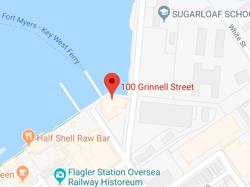
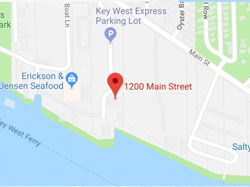
Getting There with Key West Express
One of the easiest ways to experience the Southernmost Point is by traveling aboard the Key West Express.
After arriving in Key West, the buoy is approximately a 20-minute walk from the ferry terminal, allowing visitors to enjoy the island's charming streets, historic architecture, and local shops along the way.
Whether you're planning a day trip or a longer island getaway, visiting the Southernmost Point remains one of the essential experiences every visitor should enjoy.
Frequently Asked Questions
Is the Southernmost Point Buoy the actual southernmost point in the United States?
No. The true southernmost point of the contiguous United States is located within Naval Air Station Key West, which is not open to the public. The buoy marks the southernmost publicly accessible location.
Why is the buoy temporarily moving?
The buoy is being relocated temporarily so crews can restore and strengthen the historic seawall while allowing visitors continued access.
How far is Cuba from the buoy?
Approximately 90 miles across the Florida Straits.
Is there an admission fee?
No. Visiting the Southernmost Point Buoy is completely free.
How long should I expect to wait?
During busy winter months, waits of 15–45 minutes are common. Early mornings usually offer the shortest lines.
Can I visit on a day trip?
Absolutely. Many visitors arriving aboard the Key West Express include the Southernmost Point as one of their first stops after reaching the island.
Is the buoy open during construction?
Yes. While the exact location may shift slightly during the seawall restoration project, visitors are still expected to have access for photos.
Is it worth visiting if I've been before?
Definitely. The Southernmost Point remains one of Key West's signature landmarks and is a favorite stop for returning visitors as well as first-time travelers.
Experience One of Key West's Most Iconic Landmarks
Whether you're checking it off your bucket list, capturing the perfect vacation photo, or learning about its fascinating history, the Southernmost Point Buoy is much more than a colorful monument—it's a symbol of everything that makes Key West unique.
Travel aboard the Key West Express, explore Old Town on foot, and discover why millions of visitors have made the Southernmost Point one of the most iconic destinations in the Florida Keys.