Choosing between Old Town and New Town Key West is really about choosing how you want your island time to feel. Do you picture yourself wandering past pastel cottages, stopping for Cuban coffee and walking to dinner? Or would you rather settle into a hotel with a spacious pool, spend part of the afternoon relaxing and head downtown when you feel like exploring?
Both can make a wonderful home base. Old Town puts much of Key West's historic character and sightseeing within a compact area. New Town offers a different rhythm, with residential neighborhoods, everyday shopping and hotels along the island's eastern side. The right choice depends on your plans, your preferred pace and how you want to get around.
For most first-time visitors and ferry day-trippers, Old Town is the easiest place to begin. For travelers who prioritize hotel amenities and are comfortable arranging rides to the historic district, New Town deserves a closer look. Here is how to choose without missing the Key West experience you came for.
Where Are Old Town and New Town Key West?
Old Town occupies the historic western part of the island. This is where you will find Duval Street, the Historic Seaport, Mallory Square and many of the homes, museums, galleries and restaurants associated with classic Key West. Its appeal comes from the way those places fit together: a museum visit can lead naturally to lunch, a neighborhood stroll and a waterfront stop.
New Town generally refers to the more recently developed eastern portion of Key West. Wider roads, shopping centers, residential streets and larger hotel properties give it a different appearance. North Roosevelt Boulevard is an important corridor, while the Atlantic shoreline along South Roosevelt Boulevard connects visitors with the Smathers Beach area.
The island also includes neighborhoods that do not fit neatly into a two-part comparison. The Meadows, the White Street area and Casa Marina have their own identities. Stock Island is a separate island to the east. When a hotel describes itself as being in Key West, check its actual address before assuming it is in Old Town or New Town.
Think of these labels as a starting point. A hotel's block, nearby streets and transportation options will tell you more about your stay than a broad neighborhood description. Look at your accommodation and the places you want to visit on the same map before booking.
Old Town vs. New Town at a Glance
| Consideration | Old Town | New Town |
|---|---|---|
| Atmosphere | Historic streets, cottages, waterfront activity and visitor attractions | Residential neighborhoods, commercial corridors and larger hotel settings |
| Sightseeing | Convenient access to many familiar Key West landmarks | Plan transportation for most historic-district sightseeing |
| Getting around | Walking works well for many outings; check distances | Rides, bicycles or hotel transportation may be useful |
| Places to stay | Historic inns, guesthouses, boutique hotels and waterfront resorts | Larger hotels, suites and properties with resort amenities |
| Dining and nightlife | Many independent restaurants, bars and music venues nearby | Hotel dining and everyday options; downtown outings require planning |
| Value | Location may reduce transportation needs | Compare room rates, fees and transportation together |
| Best fit | First visits, short stays and sightseeing-focused trips | Pool time, longer stays and travelers comfortable with transfers |
What Is It Like to Stay in Old Town?
Old Town makes it easy to let the day unfold. You can start with breakfast, explore a historic home, browse a gallery and change your lunch plans when something catches your eye. The neighborhood itself becomes part of the outing, with shaded porches, flowering gardens, weathered fences and colorful storefronts giving you plenty to notice between stops.
That convenience matters on a short visit. When your room is close to the day's activities, returning for a break or dropping off a purchase can be practical. You can spend more time enjoying the island and less time organizing each move. For visitors who like spontaneous discoveries, this is often Old Town's biggest advantage.
Historic Attractions and Neighborhood Character
The Ernest Hemingway Home and Museum, Key West Lighthouse, Truman Little White House and the Museum of Art & History at the Custom House are among the familiar attractions in the historic district. You do not have to visit them all. Choose the ones that interest you and leave room to enjoy the streets connecting them.
Duval Street is an obvious starting point, but Old Town extends well beyond it. The Historic Seaport brings working boats and waterfront restaurants into the picture. Bahama Village adds an important perspective on the island's Black and Bahamian heritage. Use our Duval Street guide and Bahama Village guide to build a route around your interests.
Choose the Block as Carefully as the Neighborhood
Old Town offers lively streets and quieter residential pockets. A room near a music venue may feel very different from a garden guesthouse several blocks away. If sleep is a priority, ask about the room's position, nearby entertainment and whether windows face the street or an interior courtyard.
 Photo Credit: Weatherstation Inn
Historic buildings also vary in layout. Stairs, smaller bathrooms and limited parking may matter more to some travelers than others. Confirm the features you actually need, especially accessible entry, ground-floor rooms or space for children. A charming photograph tells only part of the story.
What Is It Like to Stay in New Town?
New Town can work especially well when your accommodation is a destination in its own right. If your ideal morning includes a slow breakfast and a few hours by the pool, being farther from Duval Street may feel like an easy trade. You can enjoy the hotel first, then make a deliberate trip into Old Town.
The area also shows more of Key West's everyday life. Grocery stores, shopping centers and residential neighborhoods sit alongside visitor accommodations. That can be useful during a longer stay, particularly when you need practical errands or want a room setup that supports a relaxed routine.
Hotel Amenities and Space
Some eastern-side properties offer larger footprints, substantial pool areas or suite configurations. However, the neighborhood does not guarantee a particular amenity. Old Town has full-service resorts too, and New Town hotels vary widely. Compare room types and facilities property by property instead of assuming every New Town option provides more space.
If a hotel advertises a shuttle, read the details. Find out where it stops, how often it runs, whether reservations are required and when the last return operates. A shuttle can make a downtown visit easier, but its usefulness depends on whether the service fits your actual plans.
The Trade-Off Is Transportation
The main consideration is the distance from the historic attractions. You may be happy to make one downtown outing each day, while someone who wants frequent stops back at the room may find that inconvenient. Consider how many trips you expect to make, especially if dinners or evening entertainment are part of your vacation.
New Town is also not automatically quiet. Road traffic, airport activity, pool entertainment and the room's location can influence the experience. Ask specific questions about noise and select the setting that supports your preferred pace.
Walkability and Transportation: How Will You Explore?
Old Town is the stronger choice when you want most of your sightseeing to happen on foot. Its compact streets connect numerous attractions, restaurants and shops. Even so, a walk across the historic district can feel longer in humid weather, especially with children, shopping bags or luggage. Plan breaks and check the route rather than relying on the phrase “walking distance.”
New Town requires more deliberate planning for downtown visits. Taxis, rideshare services, bicycles and property-operated transportation can help, depending on availability and your comfort level. City transit may also fit some outings; check the current Key West Transit routes and service information before making it central to a time-sensitive plan.
Bicycles can make parts of the island easier to explore, but consider traffic, heat, lighting and your group's confidence riding on unfamiliar streets. For travelers who prefer fewer moving parts, staying near their priority attractions may be more useful than arranging transportation for every outing.
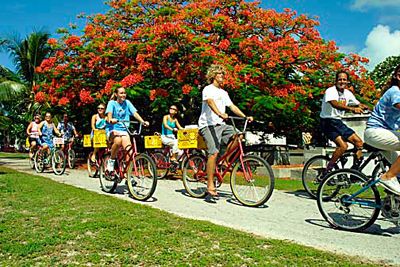 Photo Credit: Key West Bike Tours
Planning tip: Test your hotel location against three real destinations: your favorite attraction, your likely dinner area and your arrival or departure point. If reaching each one feels manageable, the location probably supports the trip you want.
Beaches and Pool Time: Look Beyond the Neighborhood Label
Neither Old Town nor New Town guarantees a sandy beach outside your door. Waterfront can mean a harbor view, a seawall or a shoreline that is not intended for swimming. If beach access is a deciding factor, ask exactly what is available and whether the advertised beach belongs to the property or requires a separate trip.
Fort Zachary Taylor Historic State Park is convenient to the western side of the island and pairs beach time with a historic fort. The shoreline includes sand and pebbles, and water shoes are useful on the rocky bottom. Check the official park information for current conditions, access and admission before visiting.
Smathers Beach runs along the Atlantic side near South Roosevelt Boulevard. It may fit naturally into a stay on the eastern side, depending on your hotel's location. Higgs Beach and the Casa Marina area belong in the conversation too, which is another reason to avoid treating every beach as simply Old Town or New Town.
Pool lovers should compare the hotel itself: shade, seating, pool hours, atmosphere and any age restrictions. A peaceful garden pool may suit a couple, while a larger pool area may appeal to a family. Our Key West beach guide can help you decide which shoreline outing to add.
Dining, Nightlife and Shopping
Old Town suits travelers who want meals and entertainment woven into their sightseeing. You can move between waterfront restaurants, small cafes, lively bars and neighborhood dining rooms without making every stop a separate expedition. The concentration of choices is particularly useful when your group has different tastes or wants flexibility.
Duval Street is known for entertainment, but it is only one part of the dining picture. Nearby side streets and the Historic Seaport offer different settings. A relaxed lunch by the water, a courtyard dinner and an evening of live music can all belong to the same stay. For specific ideas, explore our Key West restaurant guide.
New Town offers hotel restaurants, casual dining and practical shopping. These options can make a pool-focused day easy, particularly when nobody wants to dress up or head across the island. If trying distinctive Old Town restaurants is a major reason for your visit, factor the ride there and back into your evening plans.
Shopping follows a similar pattern. Old Town is useful for browsing galleries, boutiques, gifts and souvenirs while exploring. New Town is convenient for everyday supplies and shopping-center errands. Neither advantage makes the other unnecessary; it simply helps you decide where you want your accommodation to sit relative to your routine.
Which Area Fits Your Travel Style?
First-Time Visitors and Short Getaways
Choose Old Town if this is your first visit and your wish list includes the island's familiar sights. Having several priorities nearby makes a short trip easier to enjoy. You can learn the neighborhood as you go and spend less effort coordinating transportation. A central location often matters more than adding another amenity you may barely use.
New Town can still suit a first visit if a particular hotel is central to the experience. Be realistic about how much sightseeing you will do and reserve time for downtown. The best choice is the one that supports your actual schedule.
Families
For families, start with sleeping arrangements, pool needs and how much walking everyone enjoys. Old Town can simplify sightseeing, meals and breaks when the hotel is well placed. New Town may offer a room configuration or pool setting that suits your family better, especially during a longer vacation.
Confirm occupancy rules, room layout and family policies before booking. Then think through the daily routine: how will you reach breakfast, the day's outing and dinner? A small saving can disappear if every move requires a ride, while a convenient location loses value if the room does not meet your needs.
Couples and Friends
Couples who enjoy evening strolls, galleries and choosing restaurants as they go often appreciate Old Town. Friends planning live music or nightlife may also value being near their evening destinations. Choose the exact location thoughtfully so the neighborhood's energy matches your expectations for sleep.
Photo Credit: Visit Florida
For a stay centered on slow mornings and pool time, a New Town hotel may be appealing. You can plan one memorable downtown dinner rather than making several trips each day. Compare atmosphere, room quality and transportation together.
Returning Visitors and Longer Stays
Returning visitors may feel less need to stay beside the sights they already know. New Town can become a practical base for a different pace, while a quiet Old Town guesthouse may offer a more familiar neighborhood routine. For longer stays, laundry access, storage, grocery shopping and room comfort become especially useful considerations.
Compare the Total Cost of Your Stay
Old Town is not always more expensive, and New Town is not automatically a bargain. Rates depend on dates, demand, property type and room category. Festivals and popular travel periods can affect prices across the island. Compare options for the same dates and read the full booking details.
Look beyond the nightly rate. Resort charges, parking, breakfast, room occupancy and transportation can change the total. The best value may be the property that makes your days easier, even when its room price is higher.
| Consideration | Old Town | New Town |
|---|---|---|
| Room and fees | Check the full stay total and cancellation terms | Check the same dates, occupancy and fee details |
| Transportation | Estimate rides for outings beyond your walking range | Estimate downtown trips and any shuttle limitations |
| Parking | Confirm whether a space is available and included | Confirm hotel charges and costs when driving downtown |
| Time and convenience | Consider easy sightseeing and room breaks | Consider the amenities you will actually use |
Booking tip: Picture one complete vacation day before choosing. Where will you eat, how will you travel and when will you return to the room? That simple exercise often reveals which hotel offers the better overall value.
A Day Trip or Overnight Visit: Plan Around Your Time
For a ferry day trip, Old Town is the practical focus. Begin near the Historic Seaport, choose one priority attraction and leave time for lunch and a relaxed walk. You do not need to visit both sides of the island to have a satisfying introduction. A compact plan gives you room to enjoy an unexpected stop.
An overnight visit opens up more choices. Spend the arrival afternoon exploring Old Town, settle into your accommodation and enjoy dinner without trying to fit everything into a short window. The next day can include a beach outing, more history or pool time before your planned departure.
If you stay in New Town, grouping downtown activities into one outing can keep the day relaxed. If you stay in Old Town, consider making the beach your separate excursion. Either approach works best when the plan respects travel time and leaves room for breaks.
Sunset outings and nightlife are easier to plan when you stay overnight. On a ferry day trip, check the required return-boarding time before scheduling either. Our first-time visitor guide offers more ideas for making a manageable island itinerary.
Start Your Key West Visit Aboard Key West Express
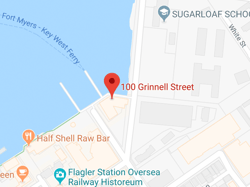
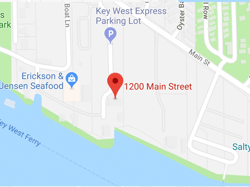
For travelers coming from Southwest Florida, Key West Express makes the journey part of the getaway. Sail from Fort Myers Beach, enjoy climate-controlled seating or an outdoor deck and purchase a snack or drink along the way. You arrive at the Key West terminal at 100 Grinnell Street, near the Historic Seaport in Old Town.
That arrival location makes an Old Town outing straightforward. If you have booked a New Town hotel, arrange the transfer and ask how luggage will be handled before check-in. For either area, review current carry-on policies and confirm your travel dates through the fares and sailing information page.
Choose your base around the moments you most want to enjoy: a walk through historic streets, an unhurried meal, a beach afternoon or time by the pool. Then book your Key West Express trip and let the island adventure begin.