Just a few steps from the energy of Duval Street, Bahama Village offers visitors a different look at Key West—one shaped by Bahamian heritage, Black history, Caribbean flavors and generations of island life.
This colorful Old Town neighborhood stretches across roughly 16 blocks between Whitehead, Southard, Fort and Louisa streets. Its narrow lanes, historic churches, tropical gardens and pastel wooden homes tell an important part of the Key West story. Although it is easy to explore on foot, Bahama Village deserves more than a quick walk-through. Slow down, look beyond the storefronts and discover the people and traditions that helped make Key West what it is today.
The History of Bahama Village
Bahamian settlers began arriving in Key West in significant numbers during the 1800s. Many came to work in fishing, shipbuilding, wrecking, sponging and other maritime industries that supported the island’s early economy. They settled near the waterfront and brought their food, music, architecture, plants and customs with them.
Bahamians were so influential in the development of Key West that native island residents eventually became known as “Conchs,” a name connected to the large marine snail that had long been an important part of Bahamian life and cooking.
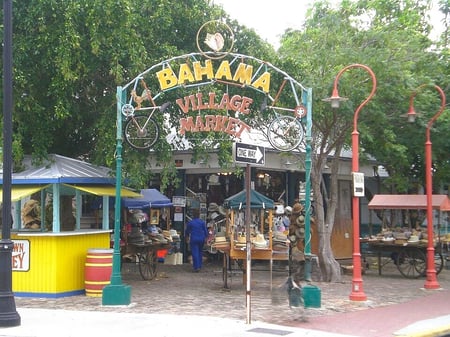 Photo Credit: Averette at en.wikipedia, Public domain, via Wikimedia Commons
Black Bahamian families established homes, churches, businesses and community organizations within what became Bahama Village. Over time, the neighborhood developed its own distinct identity while remaining deeply connected to the rest of Key West.
Traditional Bahamian and Conch houses are still part of the neighborhood’s character. Many feature wooden siding, metal roofs, shaded porches and bright tropical colors. Gardens filled with fruit trees, palms and flowering plants further reflect the cultural connection between Key West and the islands of the Bahamas.
Bahama Village has experienced considerable change through the years, but its cultural importance remains. Exploring the neighborhood provides an opportunity to understand a side of Key West that cannot be found simply by visiting its most famous attractions.
Begin at the Bahama Village Entrance
The most recognizable entrance to Bahama Village is the colorful arch spanning Petronia Street near Duval Street. Decorated with tropical imagery, the arch marks a noticeable transition from the busy commercial district into one of Key West’s most historic neighborhoods.

Petronia Street makes a natural starting point for a self-guided walk. From here, visitors can explore the surrounding blocks, admire traditional island architecture and stop at locally owned restaurants and small businesses.
Rather than following a strict itinerary, allow time to wander. Some of the neighborhood’s appeal comes from its little details: weathered wooden cottages, tropical plants spilling over fences, public artwork and the sounds and aromas drifting from nearby kitchens.
Visit Cornish Memorial AME Zion Church
Located at 702 Whitehead Street, Cornish Memorial AME Zion Church is one of the most significant historic landmarks associated with Key West’s Black community.
The church traces its beginnings to 1864 and Sandy Cornish, a formerly enslaved man who purchased freedom for himself and his wife, Lillah. After moving to Key West, Cornish became a successful farmer, landowner and respected community leader.
The congregation that grew from his efforts eventually constructed the church on Whitehead Street. The building served not only as a place of worship but also as a school and community gathering place.
Visitors should remember that this remains an active religious institution. Even when the building is not open for tours, viewing its exterior and historic marker offers a meaningful connection to Bahama Village’s past.
Walk Through the Neighborhood’s Historic Streets
The best way to experience Bahama Village is on foot. Walk along Petronia, Thomas, Olivia and nearby streets to see a mixture of historic Conch houses, colorful cottages, community spaces and local businesses.
The neighborhood is compact enough to explore without needing a car, but the Key West sun can be intense. A morning walk or late-afternoon visit is usually more comfortable, especially during the summer.
While walking, keep in mind that Bahama Village is not simply a visitor attraction. It is a living neighborhood and an important part of the local community. Respect private property, avoid blocking sidewalks and take photographs thoughtfully.
Enjoy the Flavors of Bahama Village
Food is one of the most enjoyable ways to experience the neighborhood’s Caribbean character.
Blue Heaven
Set beneath tropical trees at 729 Thomas Street, Blue Heaven has become one of Key West’s best-known restaurants. The laid-back courtyard, wandering roosters and colorful surroundings provide plenty of island atmosphere.
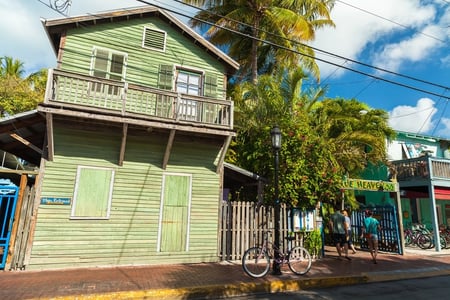
The restaurant serves breakfast, lunch and dinner, with menu selections influenced by Caribbean and Florida Keys flavors. Its towering Key lime pie is particularly well known. Blue Heaven can become busy, so visitors may want to arrive early for breakfast or make dinner plans in advance.
Santiago’s Bodega
Located at 207 Petronia Street, Santiago’s Bodega specializes in small plates designed for sharing. The menu includes hot and cold tapas, salads, soups, wine and sangria.
Its location makes it a convenient stop during a Bahama Village walk. Sharing several plates also gives groups an opportunity to sample a range of flavors without committing to a large meal.
Explore Local Caribbean Cooking
Restaurants and menus in and around Bahama Village may feature dishes inspired by Bahamian, Jamaican and broader Caribbean traditions. Look for seafood, conch, jerk seasoning, curry, plantains, rice and beans, tropical fruit and other island ingredients.
Businesses and operating hours can change, so check current information before planning a particular dining stop.
Relax at Truman Waterfront Park
At the western edge of Bahama Village, Truman Waterfront Park opens onto the water with walking and biking paths, picnic areas, open lawns, a playground and a splash pad.
The park is a good place to rest after exploring the neighborhood. Families can let children enjoy the play areas, while adults can take in the waterfront views or find a shaded place to relax.
The park is also home to the Coffee Butler Amphitheater, an outdoor concert venue named in honor of one of Key West’s most beloved musicians. Gerald “Coffee” Butler was known for preserving and sharing the island’s musical traditions, making the amphitheater’s location beside Bahama Village especially fitting.
Check the amphitheater’s event calendar before visiting, as concerts and community celebrations are held throughout the year.
Discover the Florida Keys Eco-Discovery Center
Located along the Truman waterfront, the Florida Keys Eco-Discovery Center is an excellent addition to a Bahama Village visit.
 Photo Credit: National Archives and Records Administration, Public domain, via Wikimedia Commons
The center features interactive exhibits about coral reefs, mangroves, seagrass habitats, shipwrecks and the marine life of the Florida Keys National Marine Sanctuary. Visitors can also learn about reef restoration and the ongoing work required to protect the Keys’ fragile environment.
Admission is free, making it an especially good stop for families. Because its operating days and hours are limited, verify the current schedule before heading over.
Experience the Goombay Festival
Bahama Village’s cultural heritage becomes especially visible during the annual Bahama Village Goombay Festival, traditionally held in October near the beginning of Key West’s Fantasy Fest season.
Goombay celebrations are rooted in Bahamian music and dance. Key West’s festival brings Petronia Street to life with music, food, vendors, colorful clothing and a lively Caribbean atmosphere.
The word “goombay” is also associated with a traditional goatskin drum used in Bahamian music. The festival celebrates the rhythm, food and community traditions that Bahamian settlers brought to Key West.
Festival dates and details can vary from year to year, so confirm the schedule before planning a trip around the event.
What Is Near Bahama Village?
Bahama Village’s location makes it easy to combine with several other popular Key West attractions. The Ernest Hemingway Home and Museum and Key West Lighthouse are only a short walk from the neighborhood. Truman Little White House, Fort Zachary Taylor Historic State Park and the attractions of Duval Street are also nearby.
A comfortable half-day itinerary could begin with breakfast in Bahama Village, continue with a walk along Petronia and Thomas streets, include a visit to Cornish Memorial AME Zion Church and finish at Truman Waterfront Park or the Eco-Discovery Center.
Visitors with more time can continue to Fort Zachary Taylor for history, swimming and one of Key West’s best sunset views.
Tips for Visiting Bahama Village
Wear comfortable shoes and plan to explore the neighborhood on foot. Morning and late afternoon generally provide cooler temperatures and better conditions for walking and photography.
Allow at least two hours if you plan to walk through the neighborhood and stop for a meal. Add more time for Truman Waterfront Park, the Eco-Discovery Center or nearby museums.
Most importantly, approach Bahama Village as more than a collection of restaurants and colorful buildings. Its history represents the experiences, achievements and traditions of generations of Black and Bahamian Key West residents. Learning that history adds a deeper dimension to any visit to the island.
Frequently Asked Questions About Bahama Village
Where is Bahama Village in Key West?
Bahama Village is located in Old Town Key West, generally between Whitehead, Southard, Fort and Louisa streets. The decorative arch on Petronia Street near Duval Street marks its best-known entrance.
Why is it called Bahama Village?
The neighborhood takes its name from the Bahamian immigrants who settled in this area during the 1800s. Many worked in fishing, wrecking, sponging, boatbuilding and other maritime trades.
Is Bahama Village within walking distance of Duval Street?
Yes. Bahama Village begins just off Duval Street and is easily reached on foot from many Old Town hotels, restaurants and attractions.
How much time should I spend in Bahama Village?
Plan approximately two hours for a relaxed neighborhood walk and meal. Allow a half day if you also want to visit Truman Waterfront Park, the Eco-Discovery Center or nearby historic attractions.
What are the best things to see in Bahama Village?
Highlights include the Petronia Street entrance, Cornish Memorial AME Zion Church, historic Conch houses, neighborhood restaurants, Truman Waterfront Park and the nearby Florida Keys Eco-Discovery Center.
Is Bahama Village family-friendly?
Yes. Families can explore the neighborhood together and then visit Truman Waterfront Park, its playground and splash pad or the interactive Eco-Discovery Center.
When is the Bahama Village Goombay Festival?
The festival is traditionally held in October, although dates and schedules may change each year. Check the current Key West events calendar before making travel plans.
Can I explore Bahama Village without a guided tour?
Yes. The neighborhood is compact and well suited to a self-guided walk. Reading historic markers along the way will help provide context for the buildings and people connected to the area.
Discover More of Key West with Key West Express
Bahama Village reveals a deeper side of Key West—one filled with Caribbean traditions, meaningful history, local flavors and a strong sense of community. It is a neighborhood worth exploring slowly and respectfully as part of any Old Town adventure.
Begin your island experience before you even arrive. Travel across the Gulf aboard Key West Express from Southwest Florida and enjoy comfortable seating, refreshing drinks and beautiful water views along the way. Once you reach Key West, Bahama Village and the island’s many other historic neighborhoods are ready to be discovered.